- What is the main sewer line?
- Common signs of a main sewer line problem
- What causes main sewer line clogs?
- Diagnosing the problem
- How we fix it
- Don’t wait – Get ahead of the backup
If you’ve noticed your tub draining slower than usual, your kitchen sink gurgling, and your toilet not quite flushing like it should – you’re not imagining things. When multiple plumbing fixtures across your home are experiencing slow drainage or backups, it’s a serious red flag that you may be dealing with a main sewer line problem.
This isn’t just a minor inconvenience – it’s a warning sign that your entire home’s plumbing system is under stress. And if left unchecked, it could lead to major water damage, expensive repairs, and even hazardous waste exposure.
At DrainBusters Plumbing & Septic, we’ve seen this scenario play out all across Mobile, AL – and we’re here to help you understand the cause, the warning signs, and the solution.
What Is the Main Sewer Line?
Your home’s plumbing doesn’t operate in isolation. Every drain in your house – sinks, showers, tubs, toilets – feeds into one central pipe called the main sewer line. This underground pipe carries all your wastewater out to either a city sewer system or a septic tank.
When that main line gets clogged, everything in your house starts to back up. That’s why the issue rarely appears in just one fixture – you’ll notice drainage problems in multiple areas.
Common Signs of a Main Sewer Line Problem
Here’s what to watch for:
Slow Drains Throughout the House
If your kitchen sink is draining slowly, and so is your tub, and your toilet flushes sluggishly – that’s likely not a coincidence. A main line issue impacts all fixtures connected to your home’s drain system.
Gurgling Sounds or Air Bubbles
When air gets trapped due to a blockage, it has to escape somewhere. You might hear strange gurgling noises from your drains or see bubbles in your toilet bowl when you run water elsewhere.
Backups in Low-Point Fixtures
Your lowest plumbing fixtures – often tubs, basement drains, or first-floor toilets – are the first to show signs of a main line blockage. Water may back up into these areas when you run your washing machine or flush a toilet.
Multiple Clogs at the Same Time
If more than one drain is clogged at once, especially in different areas of your home, the issue likely isn’t with individual pipes – it’s in the main line.
Unpleasant Odors
Blockages often come with a telltale smell. If you detect sewer gas odors inside your home, especially near drains, it could mean waste is building up due to a clog.
What Causes Main Sewer Line Clogs?
Main sewer blockages can stem from several sources, including:
- Tree Root Intrusion: Common in older homes around Mobile, tree roots naturally seek out water and can grow into small cracks in your sewer line, eventually clogging or collapsing it.
- Grease and Waste Buildup: Pouring cooking grease, food scraps, or hygiene products down your drains can lead to hardened blockages over time.
- Flushed Non-Flushables: “Flushable” wipes, paper towels, and feminine products often get stuck in the sewer line.
- Pipe Damage or Collapse: Corroded, broken, or sagging pipes may prevent proper flow and encourage blockages.
Diagnosing the Problem
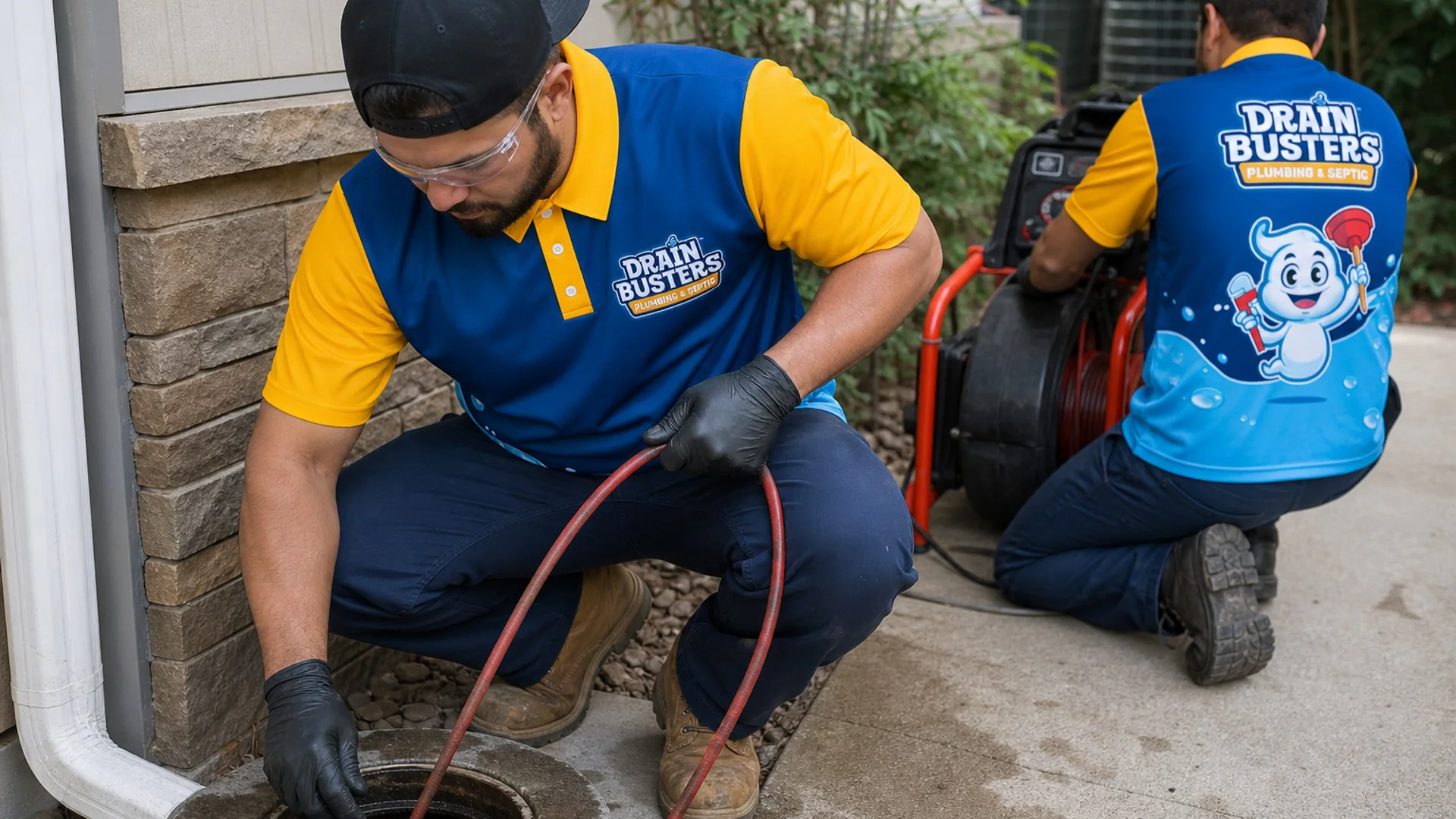
If you suspect a sewer line issue, call a professional plumber right away. At DrainBusters, we use state-of-the-art video camera inspections to pinpoint the blockage without digging. We insert a waterproof camera directly into the line to visually confirm the problem – whether it’s roots, buildup, or pipe damage.
How We Fix It
Depending on the diagnosis, our licensed plumbers may recommend:
- Hydro Jetting: This high-pressure water blast clears out years of debris and grease from your sewer line.
- Root Removal: If tree roots are the culprit, we’ll use mechanical cutters or hydro jetting to break them apart.
- Pipe Replacement or Repair: For collapsed or severely damaged lines, we’ll advise trenchless repair or excavation as needed.
Don’t Wait – Get Ahead of the Backup
A slow-draining tub or gurgling toilet might seem minor – but if more than one drain is acting up, your home is waving a big red flag. Acting fast can save you thousands in cleanup and repair.
If more than one fixture is slow or backing up, get sewer line help before the problem moves from annoying to expensive.