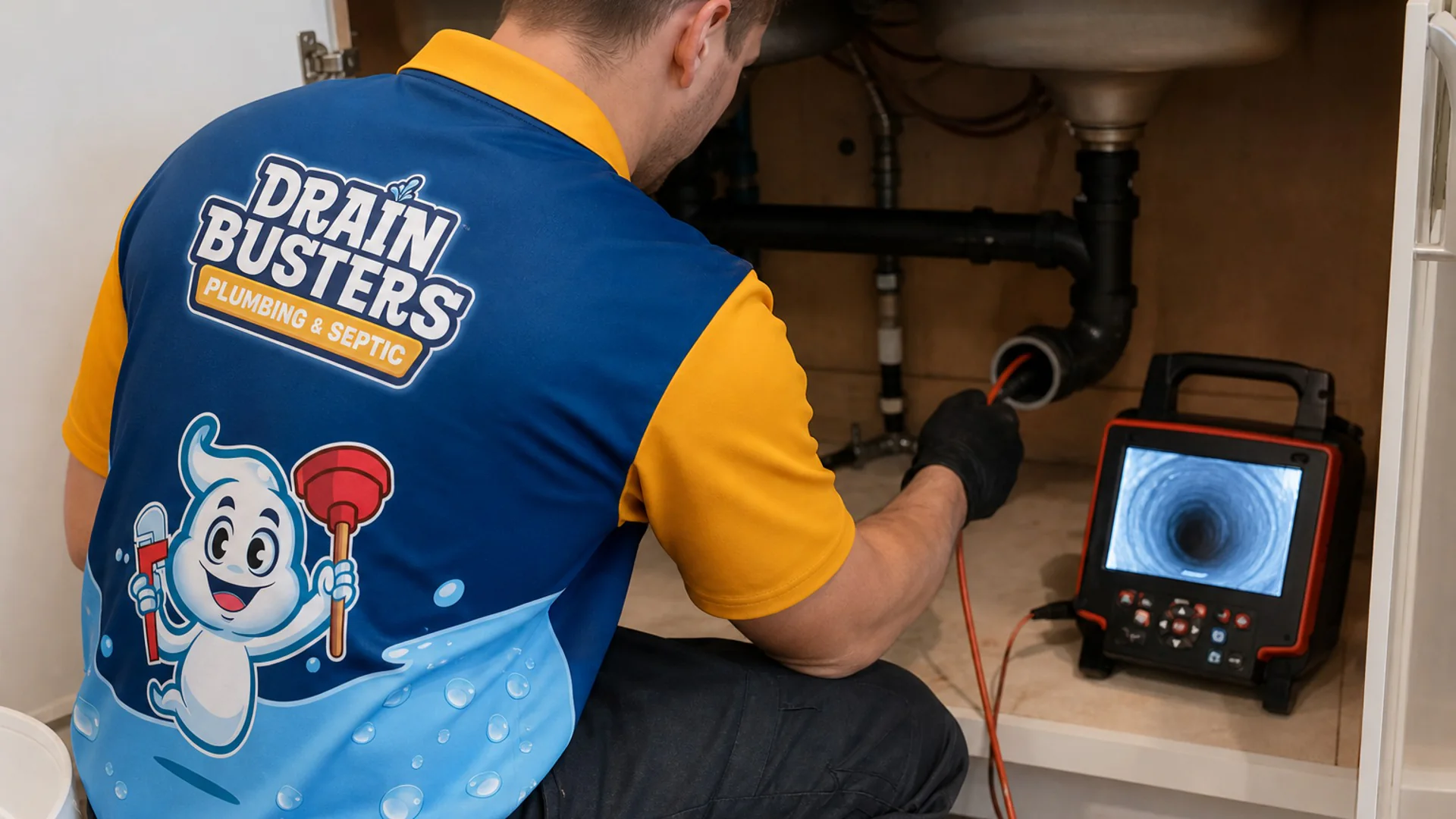
Sewer Camera Drains
Imagine diagnosing hidden plumbing nightmares – like hairline cracks, grease build-up, and root intrusions – not by digging up your yard, but with a sleek, waterproof camera gliding through your drains. This is the game-changing innovation: CCTV drain cameras. Let’s dive into how these compact tools are redefining plumbing diagnostics with precision, efficiency, and minimal disruption.
- What Are CCTV Drain Cameras?
- Key Advantages
- Common Problems These Cameras Detect
- Replacing Guesswork with Assurance
- Beyond Diagnostics
- A Modern Workflow
- Why This Matters Now
1. What Are CCTV Drain Cameras?
CCTV drain cameras – also known as sewer or pipe inspection cameras – are waterproof, high-resolution cameras mounted on flexible cables. Inserted into drainage systems via access points like cleanouts, these cameras transmit real-time video to monitors, giving technicians a live, clear view of internal pipe conditions.
2. Key Advantages: Why They Matter
Accurate Diagnostics
These cameras pinpoint issues like cracks, blockages, corrosion, or root intrusion with unmatched clarity – eliminating guesswork.
Non-Invasive & Cost-Efficient
Forget costly excavation. Camera inspections avoid digging up landscapes or floors, saving time and reducing restoration costs.
Early Detection
From minor fractures to creeping root infiltration, early camera inspections enable proactive intervention – preventing emergencies and expensive repairs.
Impressive Documentation
Many systems record the footage, giving homeowners photographic evidence for insurance claims, maintenance records, or transparent service discussions.
Eco-Friendly Approach
Reducing unnecessary excavation means fewer disruptions to soil and landscape – making this a greener plumbing solution.
3. Common Problems These Cameras Detect
- Blockages & Buildup: Whether it’s grease, debris, or foreign objects, cameras reveal the exact nature and location of clogs.
- Cracks, Corrosion & Pipe Damage: Tiny fractures or joint separation become visible under high-def imagery.
- Tree Root Intrusion: The tendrils penetrating your pipes? Cameras not only reveal them, but also measure their extent.
4. Replacing Guesswork with Assurance
Before cameras, plumbing was part science and part gut instinct. Technicians relied on feeling a cable or digging up suspected spots – but often with little success. Since the late 1990s, as with General Pipe Cleaners’ pioneering Gen-Eye system, cameras have enabled visual diagnostics – dramatically reducing unnecessary excavation and increasing customer trust.
5. Beyond Diagnostics: A Marketing Edge
Camera systems don’t just locate problems – they sell solutions. One industry pro shared that, despite spending $1,500 fixing his camera, it earned him over $30,000 in business that year. Live footage allowed him to walk customers through pipe issues – turning diagnostics into compelling marketing. Today, many inspection systems integrate USB, Wi-Fi, and smartphone compatibility for easy video sharing and voiceovers – making the diagnostic process seamless and persuasive.
6. A Modern Workflow: Step-by-Step
- Assess the Situation: Identify symptoms like frequent clogs, odors, or slow drainage.
- Access Point Selection: Locate the clean-out or drain cover for camera insertion.
- Deploy the Camera: Feed the waterproof camera into the pipes; use LED lighting for clear visuals.
- Diagnose Footage: Real-time viewing reveals blockages, damage, or obstructions.
- Recommend Solutions: Could be hydrojetting, relining, root removal, targeted repairs – or just periodic cleaning.
- Report Back: Provide videos, diagrams, and inspection summaries for transparency.
7. Why This Matters Now
In 2025, efficiency and sustainability are no longer optional – they’re expected. CCTV inspections embody both, enabling:
- Faster, more precise diagnostics
- Less property disruption
- Better client trust through transparency
- Preventive care, reducing emergency interventions
If your drains keep acting up and guesswork is getting old, schedule a camera inspection so the inside of the line can tell the truth.